
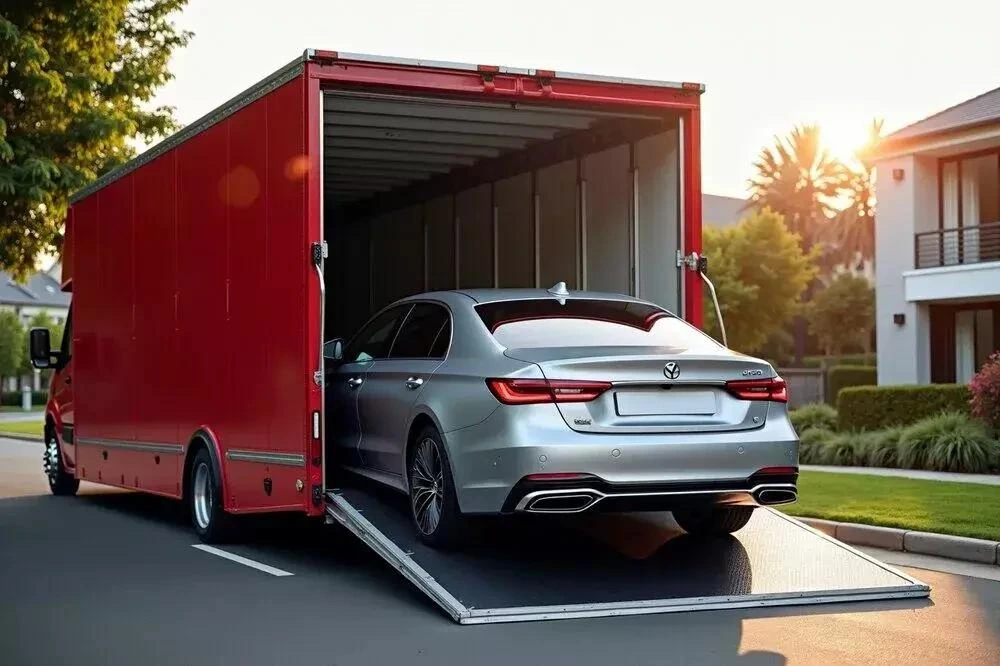
Shipping a vehicle to another city or state can be much easier when you choose a transport method that matches your vehicle, budget, and delivery needs. Two common options are open car transport and enclosed car transport. Both are used to move vehicles over short and long distances, but they offer different levels of exposure to outside conditions.
If you are arranging auto shipping from Fort Lauderdale, Florida, understanding these options can help you make an informed decision. MarkRoad Car Transport offers open and enclosed car transport options to help customers explore the right approach for their vehicle shipments.
What Is Open Car Transport?
Open car transport involves moving vehicles on an open carrier without solid walls or a fully enclosed trailer. It is a widely used method for transporting cars between cities and states.
Vehicles are secured to the carrier for transportation. Because the trailer is open, the vehicle remains exposed to normal outdoor conditions, including rain, dust, road debris, and sunlight.
Benefits of Open Car Transport
A widely available transport option
Open carriers are commonly used in the auto transport industry, making them a practical option to consider for many standard vehicle shipments.
Suitable for everyday vehicles
Sedans, hatchbacks, SUVs, and many other regularly driven vehicles can be transported using open carriers, depending on carrier requirements and vehicle dimensions.
Potentially lower transportation costs
Open transport often costs less than enclosed shipping because of differences in equipment and operating expenses. Actual prices depend on the route, vehicle, pickup schedule, and current carrier availability.
When Should You Consider Open Transport?
Open transport may be suitable if you are shipping a daily driver, relocating to another state, purchasing a vehicle from a distant seller, or moving a family car between locations.
It is worth comparing quotes and estimated schedules before making a decision.
What Is Enclosed Car Transport?
Enclosed car transport uses a covered trailer to protect vehicles from direct exposure to weather and road debris during transit. This option is often considered for classic cars, collector vehicles, luxury automobiles, and other vehicles that require additional protection from the surrounding environment.
Enclosed transport does not eliminate every transportation risk, so customers should still confirm the carrier’s procedures and applicable insurance arrangements.
Benefits of Enclosed Car Transport
Protection from outside elements
The enclosed trailer provides a physical barrier against rain, dust, and many road hazards that an open carrier cannot block.
An option for valuable vehicles
Owners of classic, restored, exotic, or luxury vehicles may prefer enclosed transport when minimizing environmental exposure is a priority.
Specialized transport considerations
Depending on the carrier, enclosed services may offer equipment or loading arrangements suited to certain vehicle types. Customers should confirm the available equipment before booking.
When Should You Consider Enclosed Transport?
Consider enclosed shipping if your vehicle has collectible value, a delicate finish, specialized modifications, or requirements that make additional protection important.
Because enclosed transport can cost more, request a quote that clearly explains the service and any additional charges.
Key Differences Between Open and Enclosed Shipping
The primary difference is the trailer design and the resulting level of environmental exposure.
Open transport uses an uncovered carrier and is commonly chosen for everyday vehicles. Enclosed transport uses a covered trailer and is often preferred when protection from outside conditions is a higher priority.
Cost is another consideration. Open shipping is frequently the more economical choice, while enclosed shipping may involve a higher rate. Neither option has a universal price because distance, vehicle size, route conditions, and timing affect the final quote.
Pickup and delivery arrangements also depend on the specific carrier and route.
How to Choose the Right Transport Method
Before selecting a service, consider these questions:
- What type of vehicle are you shipping?
- Does the vehicle have collectible or specialty value?
- How much environmental protection do you want during transit?
- What is your transportation budget?
- What pickup and delivery dates work for you?
You should also confirm whether your vehicle runs, whether it has unusual dimensions, and whether special loading equipment may be necessary.
Ask the transport provider about carrier availability, pickup arrangements, delivery estimates, cancellation terms, and insurance documentation before committing.