
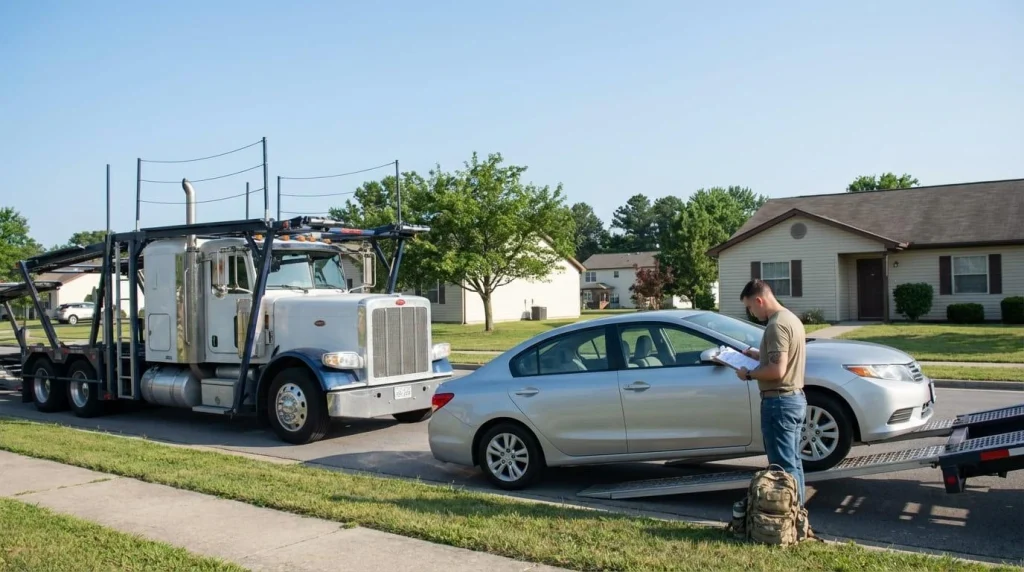
Arranging vehicle transportation can feel complicated when you are moving, buying a car from another state, or sending a vehicle to a family member. Door-to-door auto transport offers a convenient approach by arranging vehicle pickup and delivery at or near the addresses specified for the shipment.
For customers planning car shipping from Fort Lauderdale, Florida, understanding how door-to-door transport works can help set realistic expectations and simplify the booking process.
What Is Door-to-Door Auto Transport?
Door-to-door auto transport is a vehicle shipping service in which the carrier aims to collect and deliver a vehicle as close as reasonably possible to the agreed pickup and delivery addresses.
Unlike terminal-to-terminal arrangements, this approach is designed around the customer’s locations rather than requiring the customer to take the vehicle to a designated storage terminal.
However, door-to-door service does not always mean the truck can stop directly outside a home or business.
Large transport carriers need enough space to maneuver safely. Road width, low bridges, overhead obstructions, parking restrictions, local regulations, and neighborhood access can affect where loading or unloading takes place.
When direct access is not possible, the customer and carrier may need to arrange a nearby suitable meeting point.
How Does Door-to-Door Car Shipping Work?
Step 1: Request a Transport Quote
Provide the vehicle’s make, model, year, pickup address, delivery address, and preferred shipping dates.
You should also mention whether the vehicle runs and whether it has special requirements, such as modified suspension or unusually low ground clearance.
These details help the transport provider evaluate the shipment and discuss the appropriate service.
Step 2: Confirm the Shipping Arrangement
Before accepting a quote, review the price, payment schedule, estimated pickup window, delivery expectations, and cancellation terms.
Ask whether the shipment will use an open or enclosed carrier. Confirm any additional charges that could apply to your particular route or vehicle.
Make sure you understand who is responsible for coordinating the shipment and who will physically transport the vehicle.
Step 3: Prepare the Vehicle
Remove personal belongings unless expressly permitted, clean the vehicle for inspection, and take photographs of its exterior.
Check that the vehicle is ready for loading. If it is inoperable, tell the transport provider before pickup so the required equipment can be arranged.
Have the keys and necessary vehicle information available.
Step 4: Arrange Pickup
The driver or transport coordinator will communicate the pickup arrangements according to the agreed process.
Inspect the vehicle with the carrier representative and review the applicable condition documentation. Keep a copy for your records.
Ensure the pickup location is accessible and that you or an authorized representative can be present as required.
Step 5: Receive Your Vehicle
Stay reachable during the expected delivery window. When the vehicle arrives, inspect its condition and compare it with the pickup documentation.
If you find new damage, photograph it and document it on the delivery paperwork as appropriate. Follow the carrier’s reporting and claims procedure.
Keep your paperwork until the shipment is fully resolved.
What Are the Benefits of Door-to-Door Auto Transport?
Convenient pickup and delivery planning
Arranging service around your requested addresses may reduce the need to drive to and from a distant shipping terminal.
Less coordination for long-distance moves
Door-to-door arrangements can be helpful when relocating to another state, purchasing a vehicle remotely, or coordinating delivery for a family member.
Flexible location planning
Depending on carrier access and route availability, customers can discuss suitable pickup and delivery points that fit their circumstances.
A more straightforward process
Having agreed pickup and delivery locations can make it easier to plan around work, travel, moving dates, and other responsibilities.
Actual convenience depends on the route, local access, scheduling, and the carrier’s operating requirements.
What Affects the Cost of Door-to-Door Shipping?
The final price depends on several factors.
Distance is an important consideration, but it is not the only one. Vehicle dimensions, weight, operating condition, transport method, route demand, seasonal demand, pickup flexibility, and accessibility can influence the quote.
An enclosed carrier may cost more than an open carrier. An inoperable vehicle may require additional equipment. Difficult access may also require a different pickup or delivery arrangement.
To compare quotes fairly, confirm that each provider is quoting the same route, vehicle, service type, and approximate schedule.
How to Choose a Door-to-Door Auto Transport Provider
Before booking, ask for written confirmation of the transportation arrangements.
Review the service agreement, payment conditions, cancellation terms, estimated timing, and the procedures for inspecting the vehicle. Ask for the name of the carrier or broker responsible for the shipment, as applicable.
Verify relevant registration and insurance information and request details about coverage, limitations, and claims procedures.
Avoid relying solely on a low advertised price. A clear explanation of the service and its terms is important when arranging transportation for a valuable vehicle.